Gaming the Exam Calendar: How Precise Certification Scheduling Extends the Life of Your Credentials
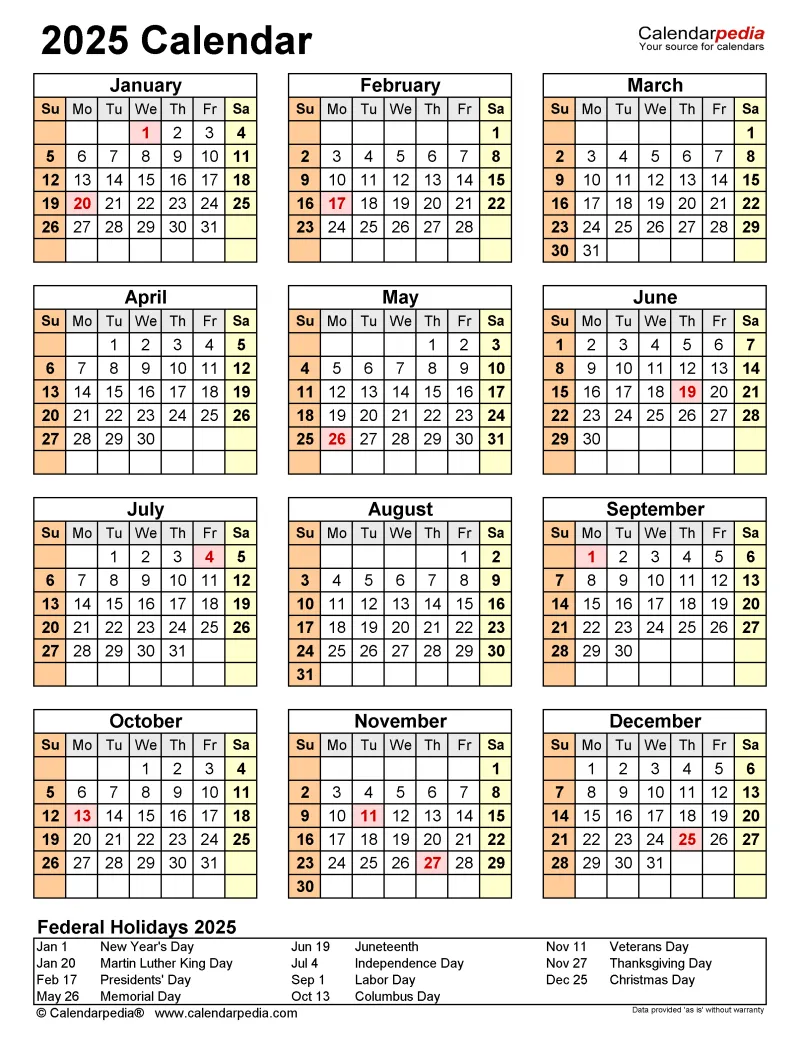
Photo: calendar planning strategy professional certification timeline desk, via www.calendarpedia.com
Every IT certification has a shelf life. Some expire on a fixed schedule—three years for most Cisco credentials, two years for AWS, three years for CompTIA's continuing education pathway. What is less understood is that the practical relevance of a credential begins eroding the moment a vendor publishes an updated exam blueprint, regardless of when the official expiration date arrives.
This creates a structural opportunity for professionals who pay attention.
If you sit for a certification exam immediately before a major syllabus revision takes effect, your credential reflects the current standard at the moment of issuance—and the clock on your renewal period resets from that point. You have, in effect, bought yourself additional time before the next recertification cycle. Meanwhile, colleagues who passed the same exam two years earlier are already approaching renewal on an older version of the credential.
This is not a loophole. It is calendar literacy applied to professional development.
Understanding Vendor Update Cycles
Major certification vendors operate on recognizable rhythms. Understanding those rhythms is the foundation of strategic exam scheduling.
CompTIA typically revises its core exams—Security+, Network+, CySA+, and others—on three-year cycles. The company usually announces upcoming version changes six months to a year in advance, publishing a beta period during which the new exam is available at reduced cost. The previous version remains available for a defined retirement window, typically three to six months after the new version launches.
Cisco has moved to a more continuous update model following its 2020 certification restructuring, but major blueprint revisions still cluster around technology inflection points—the emergence of SD-WAN, network automation, and cloud integration each triggered substantial exam overhauls. Cisco typically provides six months of advance notice before retiring an exam version.
AWS updates its certification exams on an irregular but trackable schedule, often tied to the release cycle of major services. The AWS Solutions Architect Associate exam, for example, has undergone several significant revisions. AWS generally provides a six-month retirement window and announces changes through its official certification blog.
Microsoft ties many of its certification updates to the Azure platform's release cadence, which is rapid. Microsoft exams can be updated with less advance notice than other vendors, making active monitoring more critical for Microsoft-focused professionals.
Building a Public Data Monitoring System
The information needed to predict exam update windows is almost entirely public. The challenge is aggregating it systematically. Here is a practical approach.
Vendor Announcement Channels
Every major vendor maintains official channels where exam updates are announced. Bookmarking and regularly reviewing these sources is the baseline requirement:
- CompTIA: The CompTIA Blog and the individual exam pages on CompTIA's website list current exam versions and retirement dates.
- Cisco: The Cisco Learning Network and Cisco's official certification blog publish exam update announcements.
- AWS: The AWS Training and Certification Blog is the primary source for exam revision notices.
- Microsoft: Microsoft Learn's certification pages include version information, and the Microsoft Learn Blog publishes major changes.
Set calendar reminders to check these sources quarterly. Most professionals check them never, which is why most professionals are surprised when an exam version changes.
Community Intelligence Networks
Practitioner communities frequently surface exam update information before it reaches mainstream awareness. Reddit communities—r/CompTIA, r/AWSCertifications, r/ccna—often contain threads discussing rumored or confirmed exam changes. The Cisco Learning Network forums, TechExams.net, and A Cloud Guru's community forums serve similar functions.
These communities are not authoritative sources, but they are early-warning systems. When multiple experienced practitioners begin discussing changes to an exam's content or format, it is worth cross-referencing with official vendor channels.
Exam Version Tracking Spreadsheet
Create a simple tracking document for every certification in your current portfolio and pipeline. For each credential, record the current exam version number, the date that version became active, the vendor's stated review cycle, and the date you passed or intend to sit. Update this document quarterly.
Over time, this document will reveal patterns. You will begin to anticipate when updates are likely based on how long the current version has been active relative to the vendor's typical cycle. When a credential approaches the two-year mark on a three-year cycle, it warrants closer monitoring.
Calculating the Strategic Scheduling Window
Once you have identified that a certification exam is likely approaching a revision, the goal is to pass the current version before the new one launches—while ensuring you have adequate preparation time.
The optimal window is typically the three-month period before a confirmed or strongly anticipated exam retirement date. This provides enough time for focused preparation while maximizing the distance between your exam date and the next revision cycle.
If an exam version is scheduled to retire in September, passing in July gives you a credential issued against the current standard, with your renewal clock starting from that July date. A colleague who passed the same exam in January of the prior year will reach their renewal threshold earlier—and may need to recertify against the new version sooner.
Identifying Which Certifications Benefit Most From This Strategy
Not all certifications reward strategic timing equally. The highest-value targets for this approach share specific characteristics.
Long renewal cycles with infrequent exam updates amplify the timing advantage. CompTIA's three-year credentials, combined with the company's three-year revision cycle, create meaningful windows where passing just before a revision extends practical relevance significantly.
High-demand credentials in rapidly evolving domains benefit most because the delta between exam versions tends to be larger. Cloud certifications, cybersecurity credentials, and anything touching AI or automation infrastructure are being revised more aggressively than legacy networking or hardware certifications.
Certifications with expensive recertification pathways make timing more financially consequential. When recertification requires a full retake rather than continuing education credits, delaying that obligation even twelve months has measurable dollar value.
The Limits of This Strategy
Strategic timing is a tool, not a substitute for preparation. Passing an exam before a version change only benefits you if you actually pass—and rushing to beat a deadline with insufficient preparation guarantees neither outcome. The strategy works best when integrated into a longer-term certification plan, not deployed as a last-minute scramble.
Additionally, some vendors have begun compressing retirement windows, giving candidates less time between announcement and exam discontinuation. Staying close to vendor communications reduces the risk of being caught off guard.
The professionals who benefit most from exam calendar awareness are those who treat certification planning as an ongoing discipline rather than a series of isolated events. The calendar is public. The patterns are visible. The advantage belongs to whoever is paying attention.